
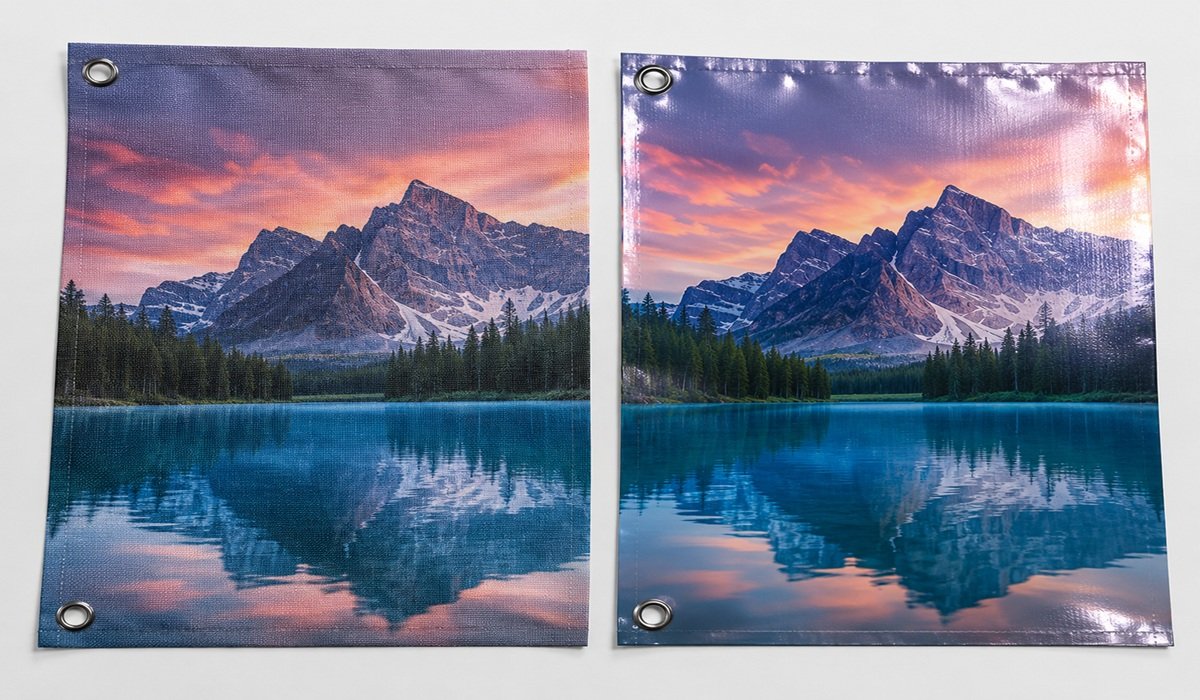
Ever notice how some brand banners stay sharp and vivid for months, while others start peeling or fading within weeks of going up? Nine times out of ten, it comes down to the printing method, not the design.
Fabric printing in Indore has become the preferred choice for businesses, designers, and event planners who need branding materials that hold their color and shape under real-world use. Compared to standard flex printing, fabric gives you a softer finish, richer color depth, and a lot more durability per rupee spent.
This guide walks through what fabric printing actually is, where it works best, and what to check before you hand your project to a printing partner in Indore.
What Is Fabric Printing?
Fabric printing is the process of applying a design, pattern, or photograph directly onto fabric using specialized inks and digital printers. It’s used across branding, apparel, home décor, and exhibition setups.
Two methods dominate the market right now:
- Sublimation printing best suited to polyester fabrics, known for punchy, saturated colors.
- Direct-to-fabric digital printing works across a wider range of fabric types with fine detail and precision.
Both fall under the umbrella of digital printing on fabric, which has largely replaced older screen-printing methods for commercial and branding work because it’s faster and handles complex designs better.
Fabric Printing vs. Flex Printing: What’s the Real Difference?
A lot of businesses in Indore are moving away from flex and vinyl toward fabric-based printing. Here’s the comparison that usually settles the decision:
| Feature | Fabric Printing | Flex Printing |
| Finish | Soft, matte, premium look | Glossy, plastic-like |
| Durability | Long-lasting, resists wrinkling | Prone to cracking over time |
| Eco-friendliness | Recyclable, lower toxicity | Non-biodegradable |
| Portability | Lightweight, foldable | Heavy and bulky |
| Color vibrancy | Rich and consistent | Can look dull indoors |
Fabric printing isn’t just a passing trend for brands that care about how their materials hold up and present over time; it’s a straightforward upgrade.
Where Custom Digital Fabric Printing Gets Used
Fabric printing is genuinely versatile. The most common applications we see:
1. Retail & Boutique Branding Boutique apparel brands use fabric printing for custom labels, tags, and in-store banners that match their brand identity down to the exact shade.
2. Exhibition & Trade Show Displays: Backlit fabric displays and pop-up banners show up everywhere at trade shows for a simple reason: they’re light, they fold flat, and they travel well.
3. Fashion Design Prototyping: Independent designers use fabric printing to test patterns and prints on real material before committing to a full production run.
4. Home Décor DIY crafters print custom designs onto cushions, curtains, and wall hangings for a personalized look that off-the-shelf fabric can’t match.
5. Corporate Branding: Companies rely on printed fabric banners, table covers, and event backdrops for conferences, launches, and office spaces.
The Fabric Printing Process, Step by Step
Knowing the process helps you set realistic expectations before you commit to a printing partner.
- Design consultation: Share your existing artwork or get help creating one from scratch.
- Fabric selection Choose between cotton, polyester, canvas, or specialty fabric based on end use.
- Digital proofing Review a digital mock-up before anything goes to print.
- Printing High-resolution digital printers apply the design to the fabric.
- Finishing Cutting, hemming, and adding eyelets or rod pockets as needed.
- Quality check A final inspection for color accuracy and finish before dispatch.
A provider that handles design and production in-house, like us at G9 Graphics, controls every one of these steps directly, which cuts down on delays and miscommunication between vendors.
Choosing the Right Fabric Printing Partner in Indore
Not every vendor delivers the same quality. Before you commit to an order, check for:
- In-house design and production: fewer handoffs mean fewer errors and faster delivery.
- Fabric variety: the right material for your specific project, not whatever they happen to stock.
- Turnaround time critical when you’re working against an event date.
- Sample availability: always ask for a sample before placing a bulk order.
- Customer reviews: check what past clients actually experienced.
Fabric Types Commonly Used for Printing
| Fabric Type | Best For | Texture |
| Polyester | Banners, backdrops | Smooth, durable |
| Cotton | Apparel, home décor | Soft, breathable |
| Canvas | Wall art, tote bags | Thick, sturdy |
| Satin | Fashion prototypes | Glossy, elegant |
The right fabric depends entirely on end use. Durability matters more for anything going outdoors; softness matters more for anything worn or handled.
Tips for DIY Crafters Using Fabric Printing
If you’re new to fabric printing, a few things will save you money and frustration:
- Start with small test prints before committing to bulk fabric.
- Check color calibration between your screen and the actual print; screens run brighter than fabric.
- Use pre-treated fabric for better ink absorption.
- Ask your printer about minimum order quantities upfront.
Sustainability in Fabric Printing
Eco-conscious brands are increasingly picking fabric printing over plastic-based materials because it generates less waste. Most fabrics used today are recyclable and need fewer harsh chemicals during production compared to PVC-based flex.
Common Mistakes to Avoid
- Skipping the sample stage leads to costly reprints down the line.
- Ignoring fabric weight changes how a design looks once it’s hung or worn.
- Using low-resolution artwork results in blurry, pixelated prints.
- Not confirming turnaround time can delay an event launch you can’t move.
Why Businesses in Indore Choose G9 Graphics for Fabric Printing
G9 Graphics handles fabric printing in Indore with design and production kept entirely in-house. That means faster turnaround, tighter quality control, and color that stays consistent from the first piece to the last.
From boutique branding to large-scale exhibition displays, G9 Graphics covers:
- Custom digital fabric printing for apparel and décor
- Backlit and pop-up display fabric for events
- Bulk and small-batch orders for designers and independent crafters
Conclusion
Fabric printing in Indore gives you a durable, eco-friendlier, and better-looking alternative to traditional flex. Whether you’re branding a boutique, prototyping a fashion line, or working on a personal project, custom digital fabric printing offers flexibility and finish quality that flex simply can’t match. Picking a partner that manages design and production in-house is what keeps a project moving smoothly from first sketch to finished banner.
Ready to bring your designs to life? Contact G9 Graphics today to book a consultation and get a custom fabric printing quote for your next project.